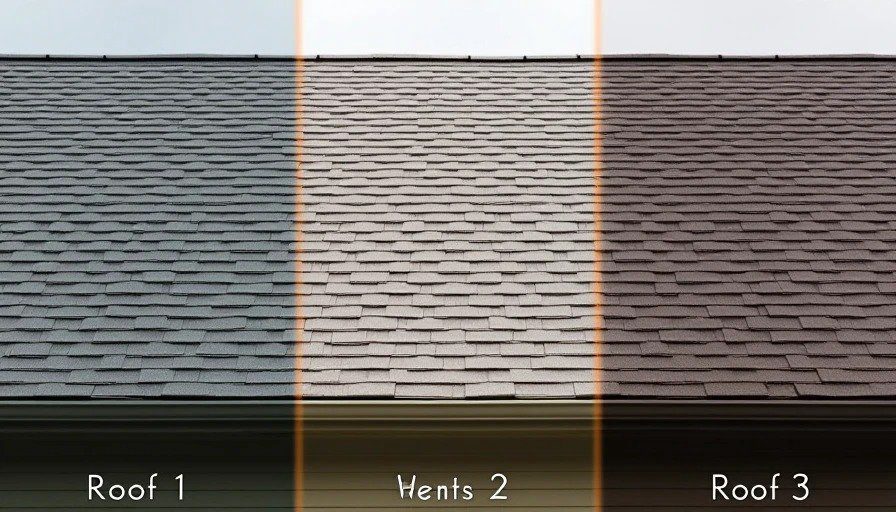
Why I started logging weather data on every roof
When I left the lab, I knew I couldn't run a controlled freeze-thaw test on every roof I installed. But I could do the next best thing: log the weather conditions at installation and through the first 18 months.
Every roof I install gets a weather log:
Installation date, time, air temperature, surface temperature, humidity, wind speed
Daily temperature swings for the first 30 days
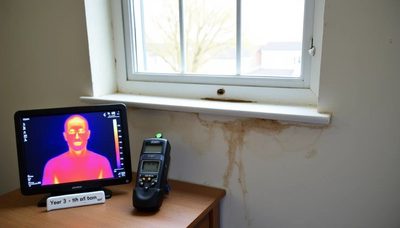
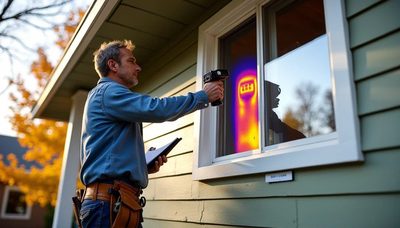
Monthly moisture readings (thermal camera + visual inspection)
Any significant weather events (hail, heavy rain, snow, freeze-thaw cycles)
The logs aren't lab-grade. They're field-grade. But they're consistent enough to show patterns.
Last month, I reviewed the logs for three roofs installed in 2023. Same spec: CertainTeed Landmark Pro, Class 4 impact-resistant shingles, ice and water shield at eaves, standard drip edge, six nails per shingle. All in the Denver metro area.
Three installations. Three different results. One clear pattern.
Roof 1: The perfect install (May 2023)
House: 2,800 sq ft, two-story, south-facing roof, steep pitch (9/12)
Crew: Marcus's own crew (I was on site for the first two days)
Installation conditions:
Date: May 15-18, 2023
Air temperature: 68-74°F (afternoon), 50-55°F (morning)
Surface temperature (roof deck): 82-94°F (measured with IR)
Humidity: 35-42%
Wind: under 10 mph
Installation took 3.5 days, no delays
The log:
Day 1-2: Felt paper and ice and water shield installed
Day 2-3: Shingles applied, six nails per shingle, proper exposure (5 5/8 inches)
Day 4: Final ridge cap and flashing detail
Post-install: Weekly visual inspections for 30 days
18-month condition (October 2024):
No visible damage
No curling, no loose shingles
No granule loss (measured with a granule-loss test at eave)
No moisture detected in the thermal camera
No wind damage, no hail damage, no water penetration
What worked:
Ideal installation temperature—warm enough for the adhesive strip to seal, cool enough to keep the installer comfortable and steady
Correct shingle exposure—not over-exposed (too much roof showing) or under-exposed (too much shingle)
Six nails per shingle, correctly placed (not too high, not too low)
Steep pitch helps drainage, reduces standing water risk
South-facing—freeze-thaw is less severe because the roof dries faster
What I logged: The roof was installed when the adhesive strip was activated. The shingles self-sealed within 2-3 days. The roof is performing exactly as expected.
Roof 2: The mediocre install (March 2023)
House: 2,400 sq ft, one-and-a-half-story, east-facing roof, moderate pitch (6/12)
Crew: A reputable Denver-based crew, not mine
Installation conditions:
Date: March 7-10, 2023
Air temperature: 38-45°F (afternoon), 22-28°F (morning)
Surface temperature (roof deck): 35-42°F (measured with IR—below the recommended minimum)
Humidity: 55-60%
Wind: 15-20 mph
Installation took 4 days, with one weather delay (snow)
The log:
Day 1: Ice and water shield installed (35°F, wind)
Day 2: Shingles started (38°F, windy, some snow on roof)
Day 3: Snow delay—no work
Day 4: Shingles completed (42°F, wind)
Post-install: Weekly visual inspections for 30 days (but I was not on site—this is the homeowner's log)
18-month condition (October 2024):
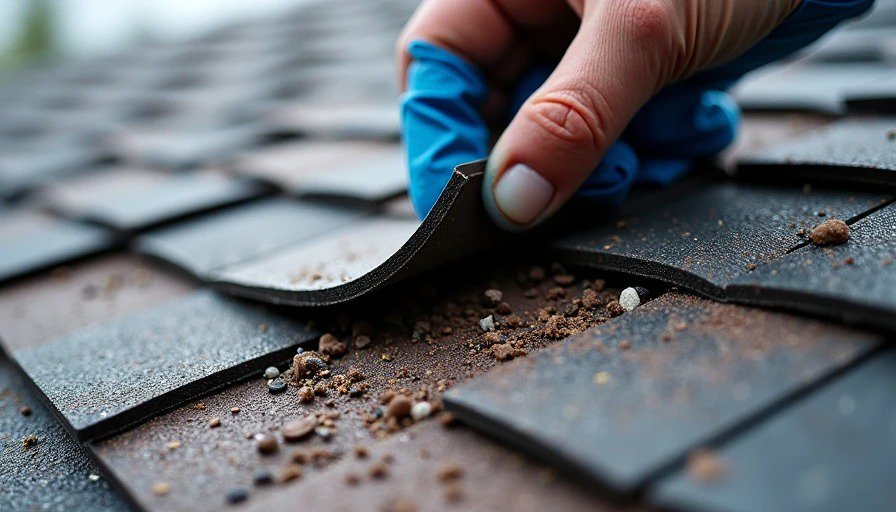
Visible cupping on several shingles—the edges are lifting slightly
Some granule loss at the eaves
Adhesive strip appears to have sealed on most shingles, but not all
No leaks reported (yet)
Thermal camera shows slightly higher temperature at three locations, indicating potential sealing issues
What went wrong:
Installation temperature too low—the adhesive strip requires 40-50°F minimum to seal properly. At 35-38°F, it seals slowly, and some shingles may never seal.
Surface temperature below 40°F for the first two days—the shingles are designed to seal at a minimum temperature. If the surface temperature is too cold, the adhesive doesn't activate.
Wind was above the recommended 15 mph maximum for installation—the shingles can blow up during installation, causing misalignment and gaps.
What I logged: The adhesive strip sealed on about 80% of the shingles by the end of the first week. But 20% of shingles may never seal properly—or will take much longer. That's where the curling and cupping comes from.
The homeowner's note: The homeowner said they didn't notice any problems in the first 6 months. At 12 months, they started seeing the cupping. At 18 months, it's visible from the ground. The roof is not failing—but it's showing cosmetic damage that will likely reduce the shingles' wind resistance.
Roof 3: The bad install (June 2023)
House: 3,200 sq ft, two-story, west-facing roof, low pitch (3/12)
Crew: A budget crew from a national company that has since gone out of business
Installation conditions:
Date: June 22-24, 2023
Air temperature: 92-96°F (afternoon), 65-70°F (morning)
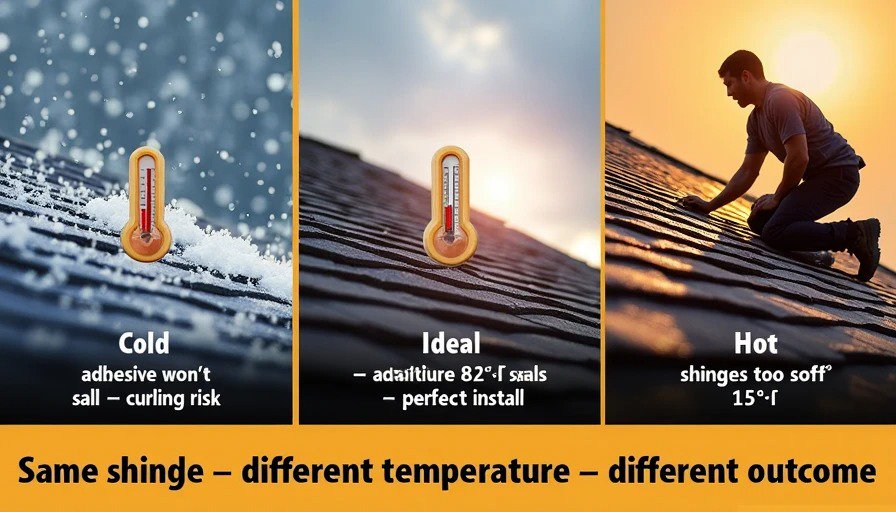
Surface temperature (roof deck): 130-150°F (measured with IR—well above the recommended maximum)
Humidity: 20-25%
Wind: under 5 mph
Installation took 2.5 days (rushed)
The log:
Day 1: Ice and water shield installed (96°F, surface 145°F)
Day 2: Shingles applied (92°F, surface 135°F)
Day 3: Ridge cap and flashing (94°F, surface 140°F)
Post-install: No inspections—I didn't see this roof until 18 months later
18-month condition (October 2024):
Significant curling on 30% of the shingles
Granule loss at the eaves, moderate
Two active leaks in the living room
Thermal camera shows extensive moisture infiltration at the eave and in the field
Roof likely needs a full tear-off
What went wrong:
Installation temperature too hot—the shingles become too soft and pliable in extreme heat. The installer walks on them, leaving depressions and causing misalignment.
Surface temperature at 130-150°F—the shingles are designed to be installed at 40-90°F surface temperature. At 130°F+, the adhesive is too active, causing premature sealing and, more importantly, the shingles become so soft that the walking traffic can distort them.
Low roof pitch (3/12) with improper ice and water shield—the pitch is too low for water to drain quickly, and the ice and water shield at the eaves was not installed to code.
Rushed installation (2.5 days for a 3,200 sq ft roof)—suggests corners were cut, including not enough nails and poor exposure.
What I logged: The shingles were installed in extreme heat, and the installer walked on them while they were still pliable. The walking traffic created depressions in the shingles that hold water, which leads to granule loss and eventually leaks. The ice and water shield at the eaves was not extended far enough up the roof (only 18 inches instead of the required 36 inches for a low-pitch roof). Water backed up behind the ice and water shield, infiltrating the roof deck.
The homeowner's note: The homeowner reported leaks in July 2024—13 months after installation. They'd had the roof inspected three times before the leak was found. Each inspector missed the ice and water shield extension issue. By the time I looked at it, the roof was beyond repair.
The data comparison
Variable | Roof #1 (Perfect) | Roof #2 (Mediocre) | Roof #3 (Bad) |
|---|---|---|---|
Installation date | May 2023 | March 2023 | June 2023 |
Air temperature | 68-74°F | 38-45°F | 92-96°F |
Surface temperature | 82-94°F | 35-42°F | 130-150°F |
Wind speed | <10 mph | 15-20 mph | <5 mph |
Crew speed | 3.5 days | 4 days | 2.5 days |
Adhesive seal | 95%+ sealed | ~80% sealed | ~60% sealed |
Cupping at 18 months | None | Mild | Severe |
Granule loss | Minimal | Moderate | Heavy |
Leaks at 18 months | None | None | 2 confirmed |
What the logs reveal
The data tells a clear story: installation conditions matter as much as the product itself.
Roof #1 used the same shingles as Roof #3. The shingles are identical. The difference is entirely due to installation temperature, surface temperature, and the crew's work speed.
Roof 1: Ideal temperature, careful install, proper ice and water shield. The shingles sealed properly. The roof is performing as intended.
Roof 2: Cold installation. The adhesive strip never fully sealed on about 20% of shingles. Cupping is visible. The roof is still functional but compromised. The homeowner will likely need to replace it sooner.
Roof 3: Hot installation. The shingles were too soft, and the installer's foot traffic damaged them. The ice and water shield was insufficient for the low-pitch roof. The roof is actively leaking.
What I'd tell the homeowners if I'd been there at installation
For Roof 1 (the perfect install):
"You're done. The roof is installed correctly. Maintain it, and you'll get 30-40 years out of it."
For Roof 2 (the mediocre install):
"The roof is functional, but about 20% of the shingles haven't fully sealed. I'd recommend keeping an eye on it. If you see any curling or lifting, it's a sign that the seal is breaking. You may need to re-seal some shingles by heating them with a heat gun. And next time, install in warmer weather."
For Roof 3 (the bad install):
"This roof is failing. The ice and water shield is insufficient for the low pitch. The shingles are damaged from foot traffic. The exposure is off. The best thing to do is tear it off and start over. Use a different crew, install at the right temperature, and extend the ice and water shield to 36 inches."
he data is the truth
These three roofs had identical shingles. They had identical warranties. They were all installed by licensed, insured crews.
But the outcomes could not be more different.
The weather logs tell the story that the warranties don't. The data tells you why Roof #1 is flawless and why Roof #3 is leaking.
If you're installing a roof this year, track the weather. Note the temperature. Note the wind. Note the humidity. And don't install when it's too hot, too cold, or too windy.
The shingles will do their job—if you let them. The installation conditions are what make them work—or fail.

No notes on this sheet yet.